


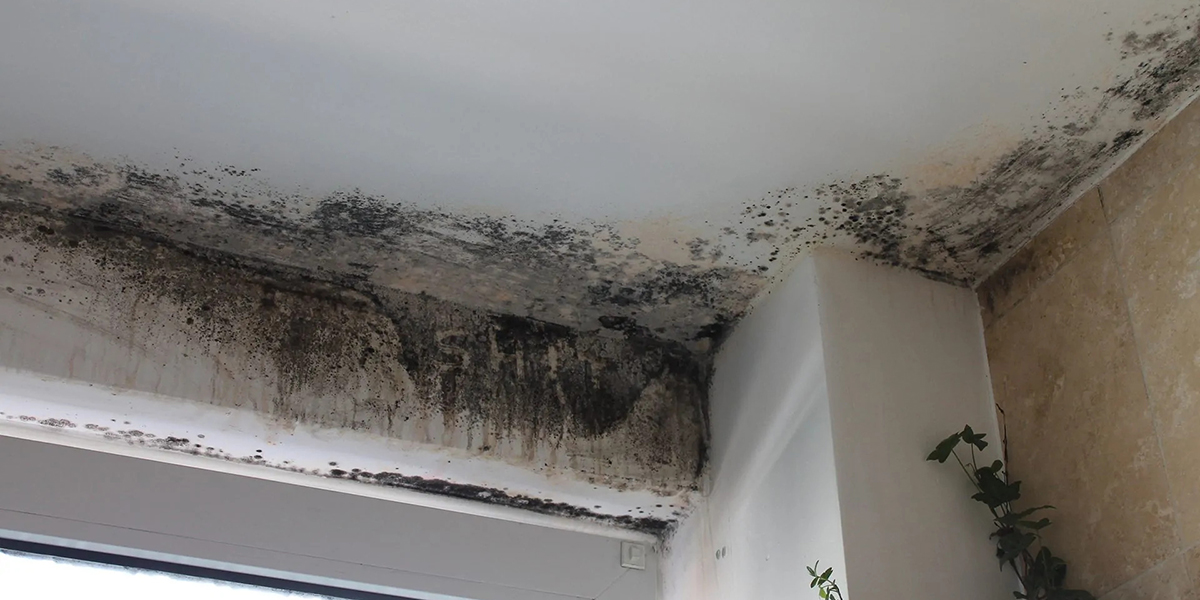
If you’ve spotted dark patches on your walls or noticed a musty smell in your home, you may be dealing with a mold problem that can spread quickly. Understanding the difference between mold removal and mold remediation is the first step to protecting your health and property. Clean Remodel is here to break it all down so you can make an informed decision.
Why Mold Remediation in Dedham, MA, Is Essential for a Healthy Home
Mold grows fast. Under the right conditions, colonies can begin spreading within 24 to 48 hours of moisture exposure. Left untreated, mold can compromise structural materials and trigger serious health responses, especially in people with allergies or respiratory conditions.
Timely mold remediation in Dedham, MA, addresses both the visible problem and the conditions driving it, making it the most effective long-term solution. Common causes include leaks, poor ventilation, and past water damage, all of which create the moisture that mold needs to thrive.
What Is the Difference Between Mold Removal and Mold Remediation?
People often use both terms interchangeably, but they describe different scopes of work. Mold removal focuses on physically eliminating visible mold from surfaces like drywall, wood, and carpet. Remediation goes further by identifying and correcting the underlying moisture source to prevent mold from returning.
Understanding Mold Removal Methods
Mold removal methods typically include surface cleaning, chemical treatments, and physical disposal of damaged materials. Specialists often clean and treat non-porous surfaces on site, while porous materials like insulation or drywall may need removal.
Common mold removal techniques include:
- HEPA vacuuming: Captures airborne mold spores from carpets and upholstery without spreading contamination
- Antimicrobial treatments: Penetrate porous surfaces to eliminate hidden spore colonies
- Surface scrubbing: Uses chemical agents to clean and treat non-porous materials like tile or glass
- Material disposal: Removes and replaces items too damaged to salvage
The right method depends on the surface type and how deeply the mold has penetrated. Removal may improve appearance, but without fixing the source, mold can return quickly.
The Mold Remediation Process Goes Deeper
The difference between mold removal and mold remediation comes down to how thoroughly specialists resolve the problem. The mold remediation process includes moisture source identification, mold contamination control, containment, air filtration, and full restoration. Proper remediation also helps reduce airborne irritants that can affect indoor air quality.
A professional mold inspection uses specialized equipment to locate hidden moisture and map the full scope of the infestation. Technicians set up containment zones and use negative air pressure to prevent airborne mold spores from spreading to unaffected areas. After treatment, remediation professionals also repair the underlying issue, whether that’s a leaky pipe, poor drainage, or inadequate ventilation, to help prevent future outbreaks.
Clean Remodel Is Ready To Help
The difference between mold removal and mold remediation matters because choosing the wrong approach can leave your home vulnerable to repeat infestations. We encourage you to identify hidden mold early before it becomes a larger issue.
Clean Remodel provides comprehensive mold services for homeowners throughout the area. Call us today at (781) 686-9687 to get expert help with the difference between mold removal and mold remediation in Dedham, MA.