


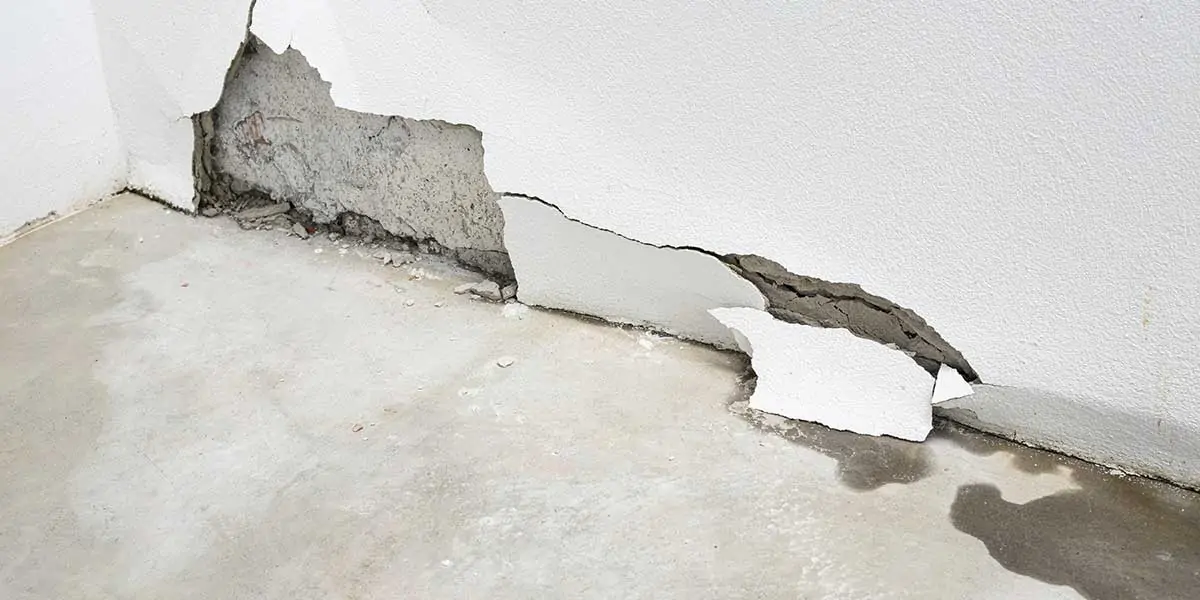
You notice a hairline crack near your basement floor and tell yourself it is nothing. A few months later, that crack has grown, and now there is a damp patch spreading across the wall next to it. Examining common drainage issues reveals how water seepage can affect your home’s foundation and surrounding structure.
This guide explains what causes seepage, how it affects foundations, and which drainage improvements may help. Severe seepage may require water damage restoration, along with repairs to the underlying drainage or foundation issues.
What Causes Water Seepage Around Foundations?
Water seepage can begin when poor grading directs rainwater toward the foundation instead of away from it. Rainwater and melting snow collect near the base of your house instead of draining off. Over time, this moisture seeps through even tiny gaps in the concrete. Heavy rainfall and poor gutter maintenance make the problem worse.
When gutters overflow or downspouts empty too close to the house, water pools right where you do not want it. This constant exposure slowly wears down the protective barriers your foundation depends on. Unaddressed seepage can also cause persistent moisture problems inside, leading to mold that keeps coming back in the bathroom or basement.
Recognizing Foundation Cracks
Watching for changes in cracks is one way to recognize how water seepage can affect your home’s foundation. Hairline cracks are common and often harmless, but wider cracks or those that grow over time signal a bigger issue.
Horizontal cracks are generally more concerning than vertical ones and often indicate external pressure pushing against the foundation wall. If you notice a crack wider than a quarter inch or one that keeps expanding, it is worth having a professional take a look.
How Water Intrusion Damages Your Foundation
Water intrusion does more than create a damp basement. Moisture entering concrete can contribute to deterioration, especially when combined with freezing conditions or corrosion of reinforcement. The rate of deterioration varies, and early changes may be difficult to notice.
Concrete is porous, meaning it naturally absorbs some moisture over time. But repeated exposure to standing water significantly accelerates the breakdown of that material. Eventually, this weakening can compromise the structural integrity of the walls supporting your home. If you suspect long-term moisture has created a health risk, calling a mold specialist can help address the mold and moisture problems in your home.
Understanding Hydrostatic Pressure
Hydrostatic pressure builds up when water in the soil around your home has nowhere else to go. As the ground becomes saturated, it exerts significant pressure against your foundation walls. This pressure is often the hidden driver behind cracks that seem to appear out of nowhere.
As groundwater rises around the foundation, pressure against below-grade walls can increase. In severe cases, this pressure causes walls to bow inward or crack, requiring structural repair. A water damage repair guide can help you understand the early steps, though significant pressure issues typically need professional evaluation.
Recognizing Foundation Settlement
Recognizing settlement is an important part of learning how water seepage can affect your home’s foundation. Water-related soil movement can contribute to uneven settlement, which may cause sticking doors or sloping floors.
Here are a few signs that settlement might be underway:
- Sticking doors and windows
- Uneven floors
- Gaps around trim
These changes may indicate that ongoing moisture is affecting the soil supporting your foundation.
When Seepage Leads to Structural Damage
Structural damage is the outcome nobody wants, and it is why catching seepage early is especially important. If structural moisture penetrates framing and interior walls, replacing water-damaged drywall may be necessary if the drywall is swollen or its seams are no longer intact. Once water has weakened the foundation enough, the entire load-bearing structure of your home can be affected. This can affect the home’s framing and reduce support for areas above.
Repairing structural damage almost always costs significantly more than addressing seepage in its early stages. That is why homeowners are encouraged to act on small warning signs rather than waiting.
Improving Your Drainage System
A well-designed drainage system is one of the most effective ways to prevent seepage from happening in the first place. Improving the grading and extending downspouts can move surface water away. Some properties may also benefit from a French drain.
Some homes also benefit from interior drainage systems paired with a sump pump for added protection. These systems catch water that does make it through and pump it away before it accumulates. A combination of exterior and interior solutions often provides the most reliable long-term protection.
How Clean Remodel Helps Protect Your Foundation
Professional support can help you choose the right next steps for protecting your foundation. If you notice any signs of water damage in your home, we encourage you to take them seriously. Call Clean Remodel at (781) 686-9687 to learn how water seepage can affect your home’s foundation and how we can protect your property in Boston, MA.