


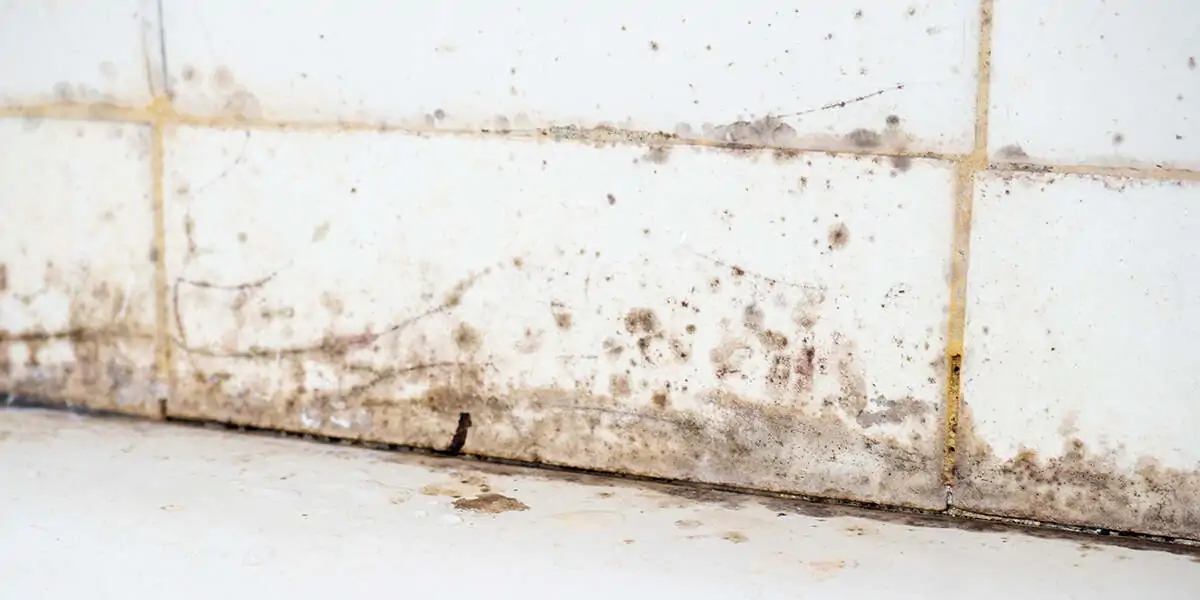
You’ve scrubbed the tile, tossed the shower curtain, and sprayed every corner with bleach, yet those dark spots always seem to return. This frustrating cycle leaves many homeowners wondering, “Why does mold keep coming back in my bathroom?”
In this guide, Clean Remodel explores recurring bathroom mold growth and when to seek mold remediation in Boston.
Why Mold Spores Survive Surface Cleaning
Removing visible mold does not always address growth beneath the surface. Mold spores may remain inside porous grout or behind deteriorated caulking, allowing the problem to return after cleaning. Surface cleaners may remove visible patches, but treating the affected material and controlling moisture are necessary to reduce recurring growth.
How Excess Moisture Causes Mold Regrowth
If you are asking, “Why does mold keep coming back in my bathroom?” the answer is often excess moisture. Humidity from showers can settle on cool surfaces and remain long after the bathroom appears dry.
Even a regularly cleaned bathroom may develop mold when excess moisture remains trapped. Reducing indoor humidity and addressing persistent damp areas can help interrupt the conditions that support regrowth.
How Damaged Caulking Contributes to Mold
Cracked or missing caulking around a tub or shower can allow water to seep behind surrounding materials. Because this moisture stays hidden, the area may remain damp even when visible surfaces look dry. Replacing damaged seals can help prevent water intrusion and reduce conditions that support recurring mold growth.
How an Exhaust Fan Helps Control Humidity
Poor ventilation can leave a bathroom damp between uses, allowing moisture to collect on walls and ceilings. Improving airflow helps the room dry more efficiently.
An exhaust fan removes humid air before it settles on nearby surfaces. Running it during and after a shower can reduce lingering moisture and create less favorable conditions for mold.
Spotting Condensation Before It Becomes a Problem
When warm, humid air meets a cooler surface, condensation can collect and keep nearby materials damp. A few habits can help you catch condensation before it turns into a bigger mold issue:
- Wipe down surfaces
- Check for window fog
- Inspect grout lines
These simple habits can help you spot condensation buildup before mold develops.
When To Call Professional Mold Remediation Services
Professional help may be appropriate when mold covers a large area, returns after repeated cleaning, or appears inside porous materials. A remediation specialist can assess the extent of contamination, determine whether hidden growth may be present, and address affected areas beyond surface cleaning. Understanding the difference between mold removal and remediation can help you choose an appropriate approach.
Different types of mold cannot be reliably identified by color alone, making professional evaluation helpful when assessing concerns about black mold and toxic black mold in damp living areas. Call a professional if the affected area involves drywall, insulation, or structural materials that may require removal and controlled cleanup by trained technicians during remediation.
Stop Recurring Bathroom Mold at the Source
Now that we have explained “Why does mold keep coming back in my bathroom?” the next step is to address the moisture that allows it to return. Clean Remodel identifies hidden moisture sources and helps you recognize early signs of mold in your house before the problem spreads. Call us at (781) 686-9687 for professional mold remediation in Boston, MA.