


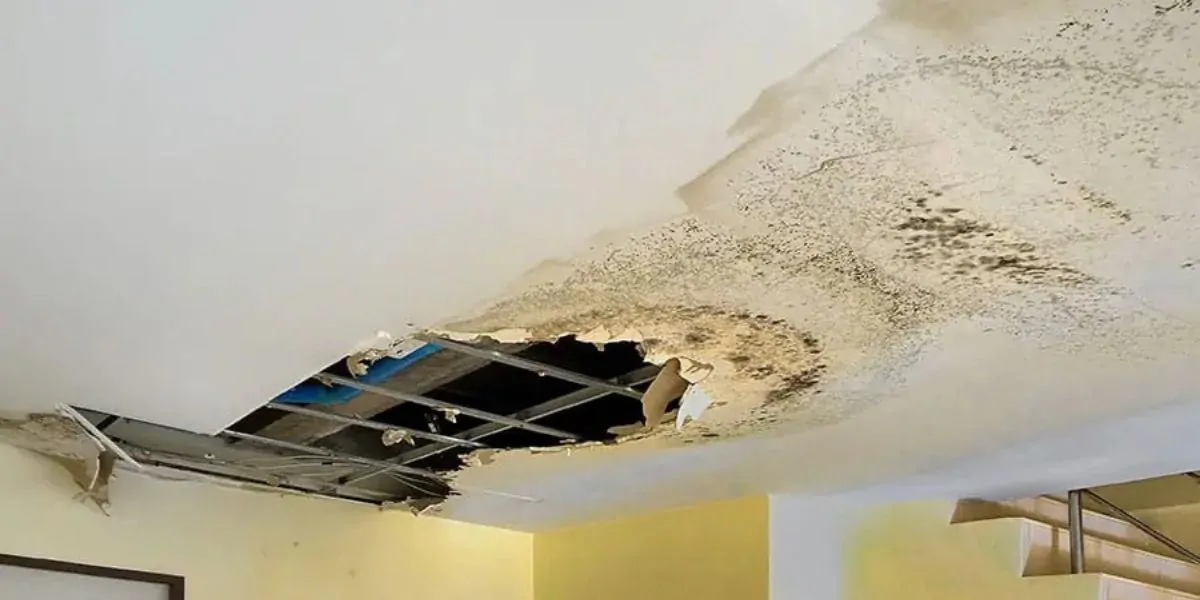
While sitting in the living room, you notice a damp patch spreading across the ceiling. The stain may seem minor, but hidden moisture can weaken drywall before obvious sagging appears. It often raises one urgent question: Can water damage cause a ceiling to collapse?
This guide from Clean Remodel explains what can cause ceiling materials to deteriorate faster. It also covers the early warning signs you should never ignore. You will learn when professional water damage restoration becomes necessary to protect your home.
Can Water Damage Cause a Ceiling To Collapse?
Ceiling water damage can stay hidden even after the first stain appears. However, a severe leak can make a water-damaged ceiling fail within hours. Slower leaks may take days or weeks to cause visible sagging. A water-damaged ceiling is more likely to collapse once it begins to sag or crack. While water is the most frequent culprit behind structural failures, it isn’t the only threat to your overhead framing; understanding how fire damage affects your home reveals a different set of critical structural vulnerabilities that homeowners must address immediately after a disaster.
Factors That Influence the Collapse Timeline
Several conditions affect how quickly a wet ceiling may become unsafe. The points below explain why some ceilings weaken faster than others:
- Type of material: Drywall can soften over time with prolonged exposure to moisture, especially when water continues to accumulate on it. Plaster may resist surface damage longer, but it can still loosen from the lath.
- Age of the home: Older properties may have weakened framing from past leaks or repairs. This can reduce the structural integrity of a ceiling faster during active water damage.
- Volume of water: A slow drip may cause gradual staining before the ceiling weakens. A burst supply line can quickly add weight above the damaged area.
- Ventilation levels: Poor airflow slows drying and keeps moisture trapped in ceiling materials. That can worsen drywall saturation from water damage and increase the risk of sagging.
Hidden Sources of Ceiling Moisture
Before repairing water damage, the source of the leak must be found and stopped. Below are the most frequent culprits responsible for soaking the framing and ceiling finishes.
Roof Leaks From Storms and Aging Shingles
Roof leaks are among the leading causes of ceiling damage, especially in older homes. Missing shingles or cracked flashing allow rainwater to seep into the attic over weeks or even months. In colder regions, ice dams can push melting snow under roofing materials and into the wood deck.
Slow or Burst Plumbing Failures
Hidden plumbing leaks in ceilings are especially dangerous because they often go unnoticed for weeks. A pinhole leak in a supply line releases moisture continuously, soaking insulation and rotting wood framing above. By the time a stain appears, nearby framing may need inspection for hidden damage. Increased water usage and temperature shifts often trigger these hidden breaks, making it crucial to monitor for common summer plumbing issues before a minor leak compromises your overhead structural integrity.
HVAC Condensation Buildup
Air conditioning units installed in attics can drip condensation onto ceiling surfaces during humid months. A clogged condensate line will steadily overflow and saturate the drywall. Routine HVAC inspections help catch these issues before they spread further into living areas.
Appliance and Bathroom Overflows
Upper-floor washing machines or dishwashers can send water into the ceiling when a hose bursts. Toilets and tubs above can cause similar damage when water overflows unnoticed. Fast shutoff and cleanup help limit ceiling saturation before the damage spreads.
Warning Signs Your Ceiling Needs Urgent Attention
Catching trouble early can help prevent more extensive ceiling repairs. If you are wondering, “Can water damage cause a ceiling to collapse?” these warning signs deserve urgent attention:
- Brown or yellow stains: Discolored patches often suggest a current or previous leak above the ceiling. The area may still need checking, even if it feels dry.
- Bubbling paint or peeling plaster: These changes can happen when moisture breaks the bond between layers. They may point to trapped dampness behind the surface.
- Noticeable bowing or dipping: Sagging is a serious warning sign. It can mean wet materials are becoming too heavy for the ceiling to support.
- Cracking or popping sounds: New overhead noises may signal movement in stressed materials. They should be checked quickly when stains or sagging are also present.
- Musty odors: A damp smell can suggest trapped moisture or hidden mold growth. Ongoing moisture can weaken drywall and affect indoor air quality. If these foul odors are accompanied by dark spots spreading across the surface, look out for the signs of mold immediately to protect both your property and your family’s health.
Protect Your Home With Prompt Ceiling Water Damage Repair
Knowing the qualities of restoration companies will help you hire experts who can safely extract moisture, inspect hidden framing, and fully secure your home. Now you know why the question “Can water damage cause a ceiling to collapse?” needs quick attention. With prompt drying and careful repairs, many ceilings can be restored before major failure occurs.
Clean Remodel helps homeowners address indoor water damage through assessment, drying, and repair work. If you notice signs of water damage, call Clean Remodel at (781) 686-9687 to schedule a ceiling water damage assessment in the Boston, MA, area.