


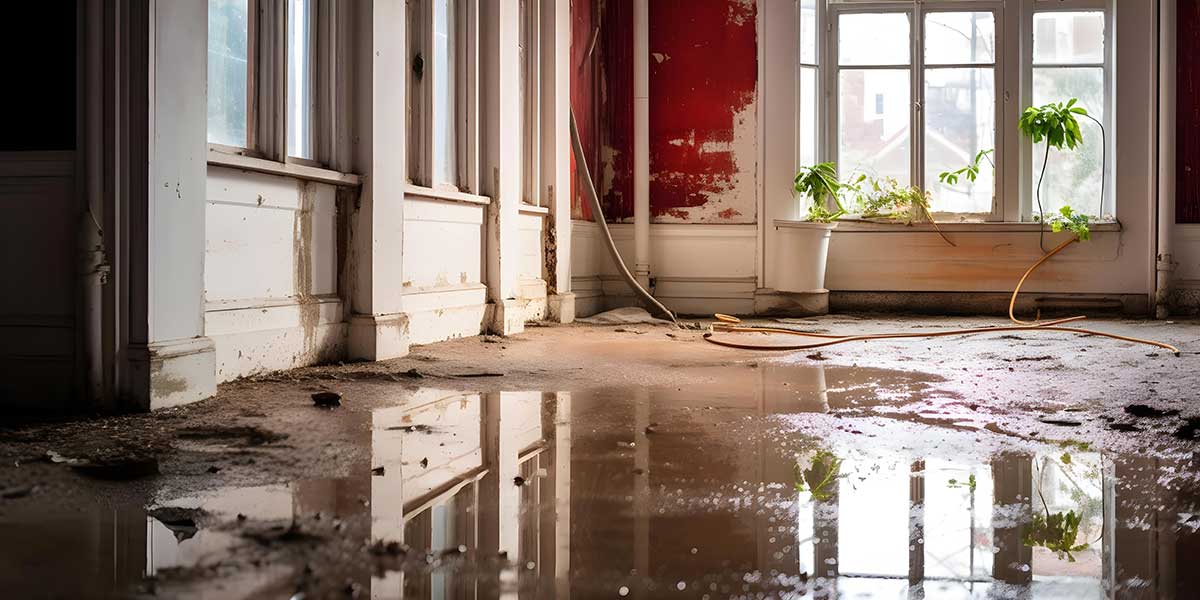
Water pooling across your floor is stressful enough without also wondering whether you need to pack a bag. Should you stay home during water damage restoration in Boston, or find temporary accommodations until the project wraps up? Your decision can affect everything from your family’s routine to the restoration crew’s access and efficiency.
Knowing which conditions require evacuation and which can be managed with proper containment helps you make a practical, informed choice before the work begins. In this guide, Clean Remodel explains the factors that may determine whether it is safe and comfortable for families to stay home while a restoration team is working on the premises.
What Decides Whether You Can Stay During a Water Restoration Job?
Contaminated water, meaning any source touched by sewage, chemicals, or floodwater, can create serious health risks. A burst supply line contained to one bathroom may be very different from a sewage backup that reaches your living room. The first might let you stay home during the restoration process, while the second may require a temporary relocation.
Should you stay home during water damage restoration jobs? Beyond water type, consider the size of the affected area. Restoration work confined to a single room may not disrupt your entire household, but water spreading across multiple rooms or floors might be a different story.
Whether you should stay home also depends on whether your essentials, like your kitchen, remain usable. Losing access to essential appliances, plumbing fixtures, or your only bathroom often tips the decision toward leaving, even if the water source was clean.
When You Should Plan To Leave for Health and Safety Reasons
Some water damage calls for leaving right away. Evacuate immediately if you notice any of the following:
- Standing water near outlets or breaker panels: This situation creates a serious shock risk.
- Sagging or bulging ceilings: Trapped water weight can cause a collapse without warning, and the room should stay off-limits until a professional has checked the framing.
- Strong chemical or gas odors: Vacate the premises and call emergency services from a safe distance away.
For anyone cleaning a flooded basement, shutting off the power at the breaker from a dry location is one of the most important safety steps. Never enter flooded spaces to turn off the power.
How Contaminated Water Affects Whether You Can Stay
Not all water damage carries the same threat. Clean water from a supply line poses little health risk, while gray water from a dishwasher or washing machine calls for more caution. Black water is in a different category entirely, and may include raw sewage and floodwater.
This contaminated water often carries bacteria that could make your family sick. Staying home usually isn’t advisable when contamination is this severe. Time works against you here, too, as water that started clean can quickly become contaminated.
The Role of Indoor Air Quality
Should you stay home during water damage restoration projects? The answer isn’t always a one-time decision made at the first inspection. Once any immediate hazards are ruled out, indoor air quality often becomes the deciding factor in whether staying home is the healthiest choice.
Musty odors, visible mold, or unusually humid air are all signs worth taking seriously. Damp materials can create the exact conditions that mold growth needs to take hold, and that process can begin within just one to two days.
Widespread mold may require professional containment and could make temporary relocation advisable. Professional restoration teams may use containment barriers and negative air pressure to keep affected areas sealed off if you are staying home.
Trust Clean Remodel With Your Water Damage Restoration in Boston and All Your Questions
The answer to whether to stay home usually comes down to the water’s contamination level and whether any safety hazards are present. However, for many people, it also comes down to how much the damage disrupts their home and daily life if they choose to stay. At Clean Remodel, we walk homeowners through these decisions without pushing them to relocate when they don’t need to.
Should you stay home during water damage restoration in Boston, MA? Call Clean Remodel today at (781) 686-9687 to get a clearer answer.
Our background spans more than 20 years in the janitorial and disaster restoration industries, so we’ve handled nearly every type of structural damage a home can face. If you’re also dealing with water seepage and foundation damage, our team may be able to address that alongside your restoration plan.