


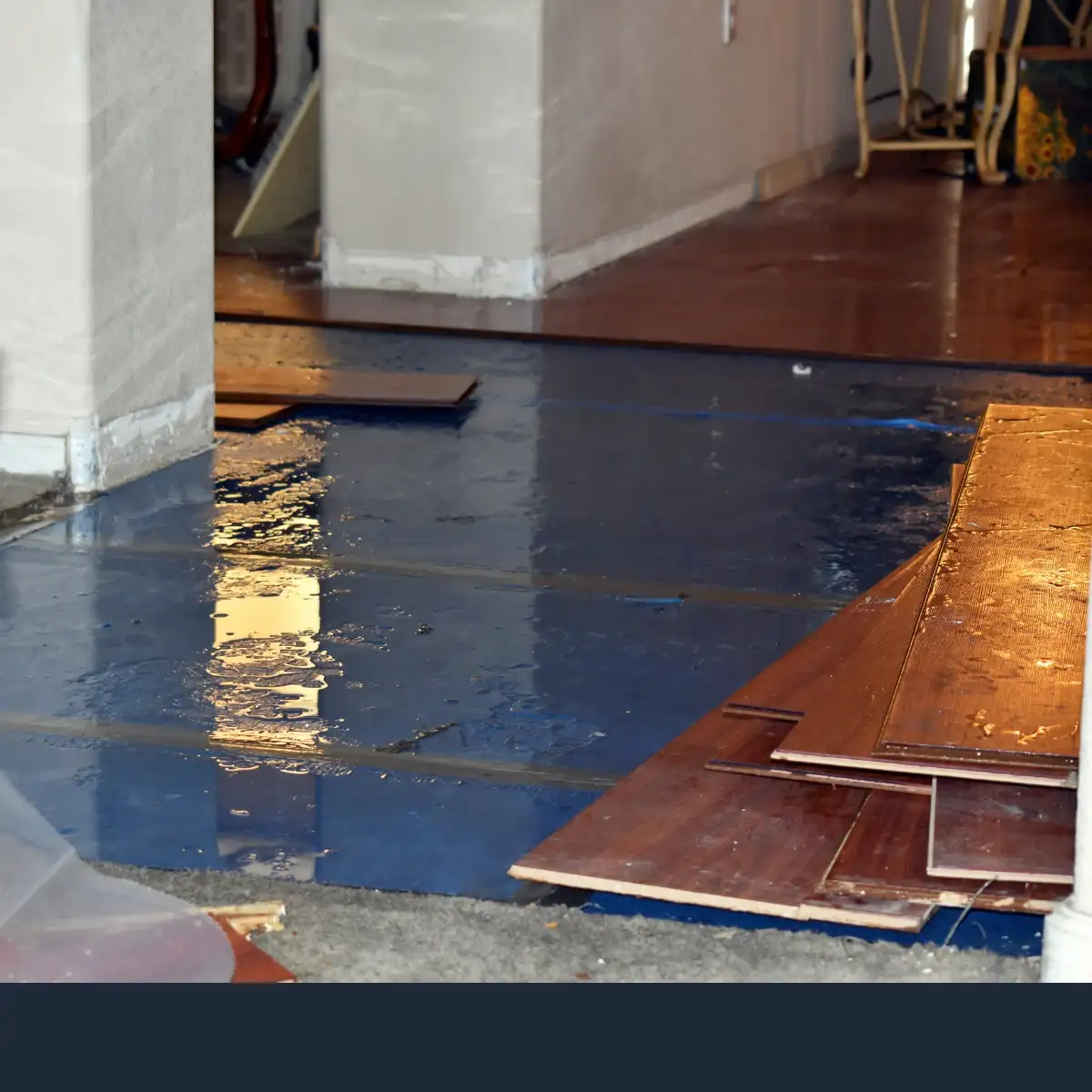
Flood vs. Water Damage: Know the Insurance Difference
When it comes to home restoration, one of the most misunderstood distinctions is the difference between flood damage and water damage. Homeowners often assume their insurance will cover either scenario—but the truth is, these two categories are treated very differently by insurance providers.
Understanding this difference could mean the gap between a covered claim and thousands of dollars in out-of-pocket repairs. Let’s break it down clearly.
1. What Is Considered Flood Damage?
Flood damage occurs when water enters your home from an external source—for example:
- Heavy rainfall causing rivers, lakes, or streets to overflow
- Storm surges or coastal flooding
- Melting snow that seeps into basements
Flood damage affects multiple properties or an entire neighborhood at once. Because of this, it’s not covered under standard homeowners insurance policies. Instead, you need separate flood insurance, typically through FEMA’s National Flood Insurance Program (NFIP) or a private insurer.
Example: If your Dedham basement floods during a major storm because the storm drains backed up, that’s considered flood damage.
2. What Counts as Water Damage?
Water damage, on the other hand, stems from issues inside your home. Common causes include:
- Burst or frozen pipes
- Plumbing leaks or appliance malfunctions
- Roof leaks from ice dams
- Overflowing bathtubs, toilets, or sinks
Unlike flood damage, water damage from sudden and accidental incidents is typically covered by homeowners insurance. However, if the damage results from neglect or poor maintenance (like a slow leak you ignored), it may be denied.
Example: If your pipe bursts on a freezing January night in Westwood, your homeowners policy likely covers that event.
3. Key Insurance Differences at a Glance
| Feature | Flood Damage | Water Damage |
| Source | External (storms, rivers, surface water) | Internal (pipes, roofs, appliances) |
| Coverage | Not included in standard policy | Typically covered if sudden & accidental |
| Insurance Type | Flood insurance (NFIP/private) | Homeowners insurance |
| Scope | Widespread | Localized |
4. Common Coverage Mistakes to Avoid
- Assuming all water is the same. Many homeowners think any water damage is covered—it’s not.
- Delaying your response. Waiting to act can cause secondary damage and weaken your claim.
- Not documenting the damage. Always take photos and videos before cleanup begins.
- Skipping a professional assessment. Clean Remodel offers free, no-obligation disaster assessments so you can understand your coverage before filing.
5. How Clean Remodel Helps Massachusetts Homeowners
At Clean Remodel, we specialize in both flood and water damage restoration. Our team handles everything from emergency cleanup to full reconstruction—and we guide you through the insurance process step-by-step.
Whether your damage came from a burst pipe or a Norwood storm, our mission is simple: restore your home and peace of mind quickly and completely.
Need expert help or an insurance-friendly estimate? Visit cleanremodel.com or call (781) 686-9687 for immediate assistance.